
Industrial Gas Turbine Castings and Component Repair
Precision casting and repair pathways for industrial gas turbine blades, vanes, nozzles, combustion hardware, and other high-temperature components.
DDM Systems supports two distinct project paths: DirectPour™ for new cast components produced from customer CAD and alloy requirements, and SLE™ for repair or dimensional restoration of existing superalloy components. Submit drawings, alloy specifications, quantities, inspection requirements, or repair documentation for engineering review.
Industrial Gas Turbine Casting and Repair Capabilities
Zero Tooling Investment Required
Our LAMP™ technology prints ceramic shell molds directly from CAD files, eliminating $50,000–$200,000+ in conventional tooling costs and delivering three immediate advantages:
90% Energy Reduction with Sustainable Casting
Our DirectPour™ process — validated through the U.S. DOE’s ARPA-E program with GE Vernova — delivers three measurable sustainability gains by eliminating seven of twelve conventional process steps:
Advanced Superalloy Capabilities
Our facility processes the most demanding nickel superalloys for industrial gas turbine hot sections, with demonstrated IGT blade production in DS René 141 with cast-in film cooling holes. Three advanced capabilities set our process apart:
Industry Applications
Power Generation Applications
We manufacture hot gas path components for natural gas, hydrogen-ready, and combined-cycle power facilities — parts that must endure extreme thermal cycling at firing temperatures exceeding 1,000°C. Our tooling-free LAMP™ process serves three critical application areas:
- Turbine blades and nozzle guide vanes in single-crystal and directionally-solidified superalloys for first-stage hot gas path service.
- Gas turbine fuel nozzles and combustion hardware with complex internal geometries and tight tolerances.
- Shrouds, casings, and structural components for base-load and peaking power applications requiring long-term reliability.
Every component follows the project-specific production and traceability requirements defined during review. See our national investment casting services scope.
High-Value Component Repair
We also restore damaged superalloy turbine components with SLE™ additive repair, recovering original metallurgical specifications without the cracking risks of conventional welding. For blade-specific repair, refurbishment, and new blade casting, see our turbine blade manufacturing, repair, and refurbishment page. SLE™ restores mission-critical components across three categories:
- Hot gas path component restoration with deposits exceeding 2mm per pass and matched crystal structure.
- Dimensional restoration of hot gas path components for aerospace and IGT applications with 10% higher microhardness than cast substrate.
- Substrate preparation for thermal barrier coating reapplication, extending service intervals, and reducing replacement part costs.
Fully dense, crack-free deposits with epitaxial continuity make SLE™ the only repair solution for the industry’s most demanding superalloys.
Turbine Applications Gallery
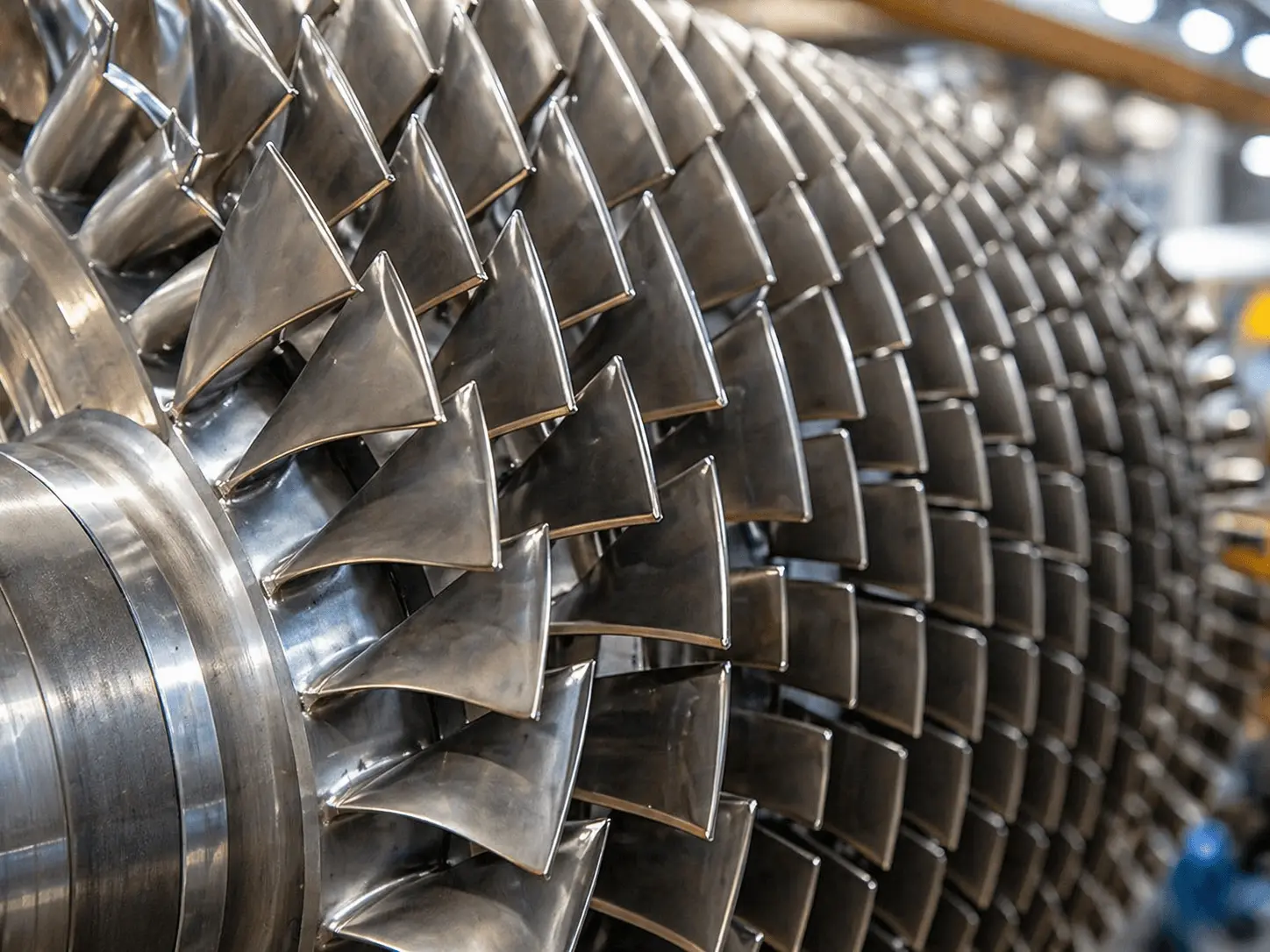
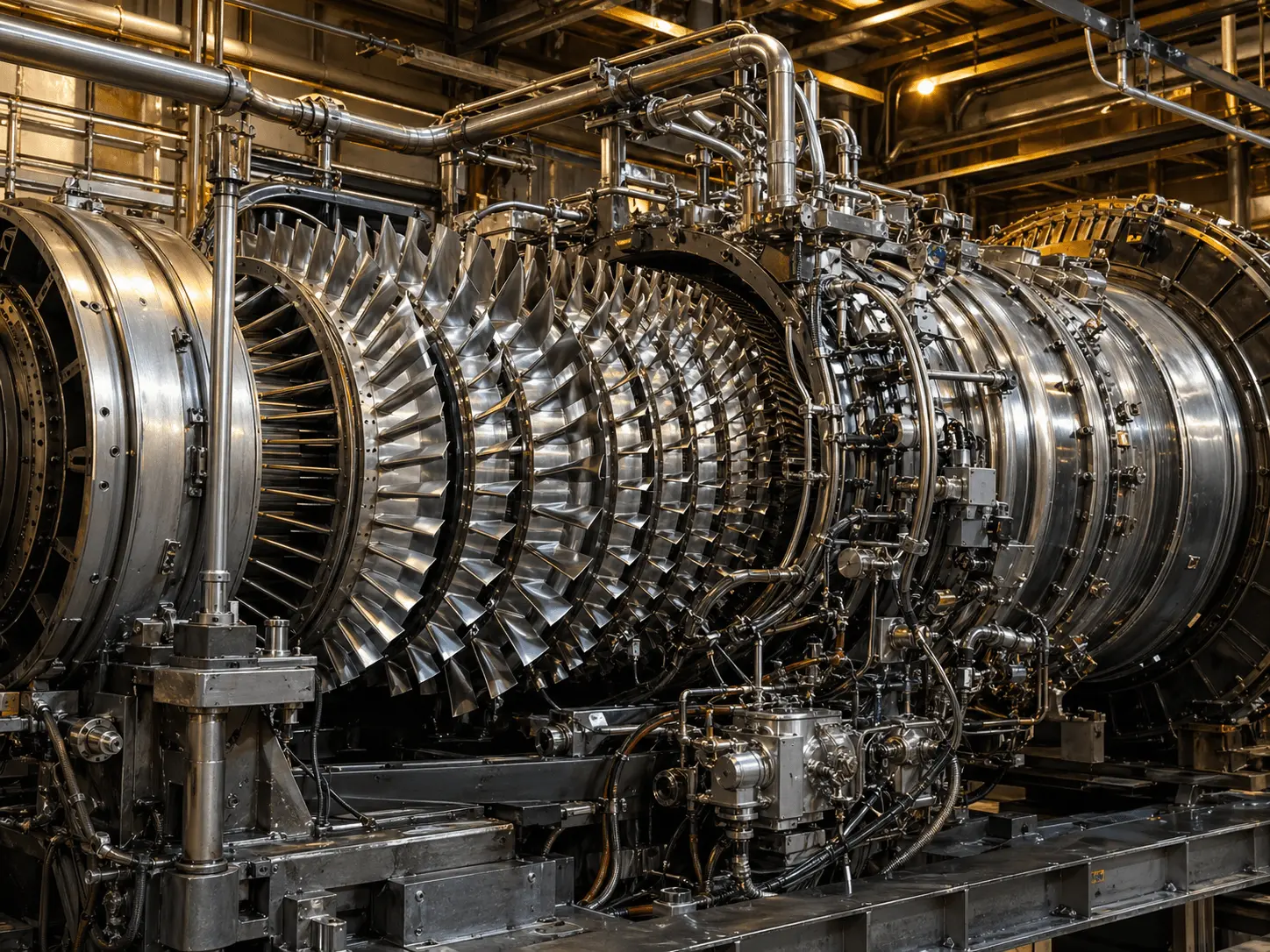
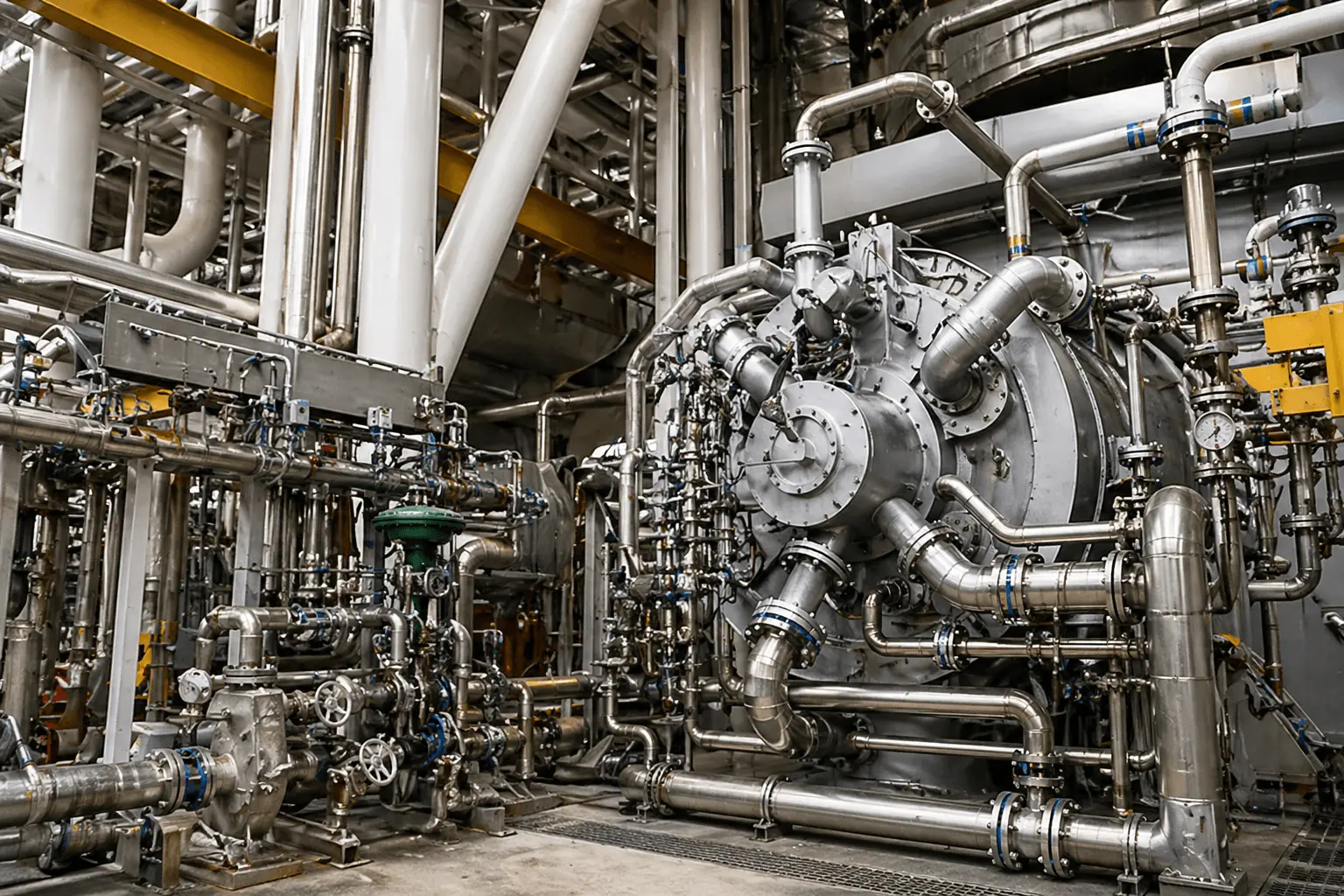
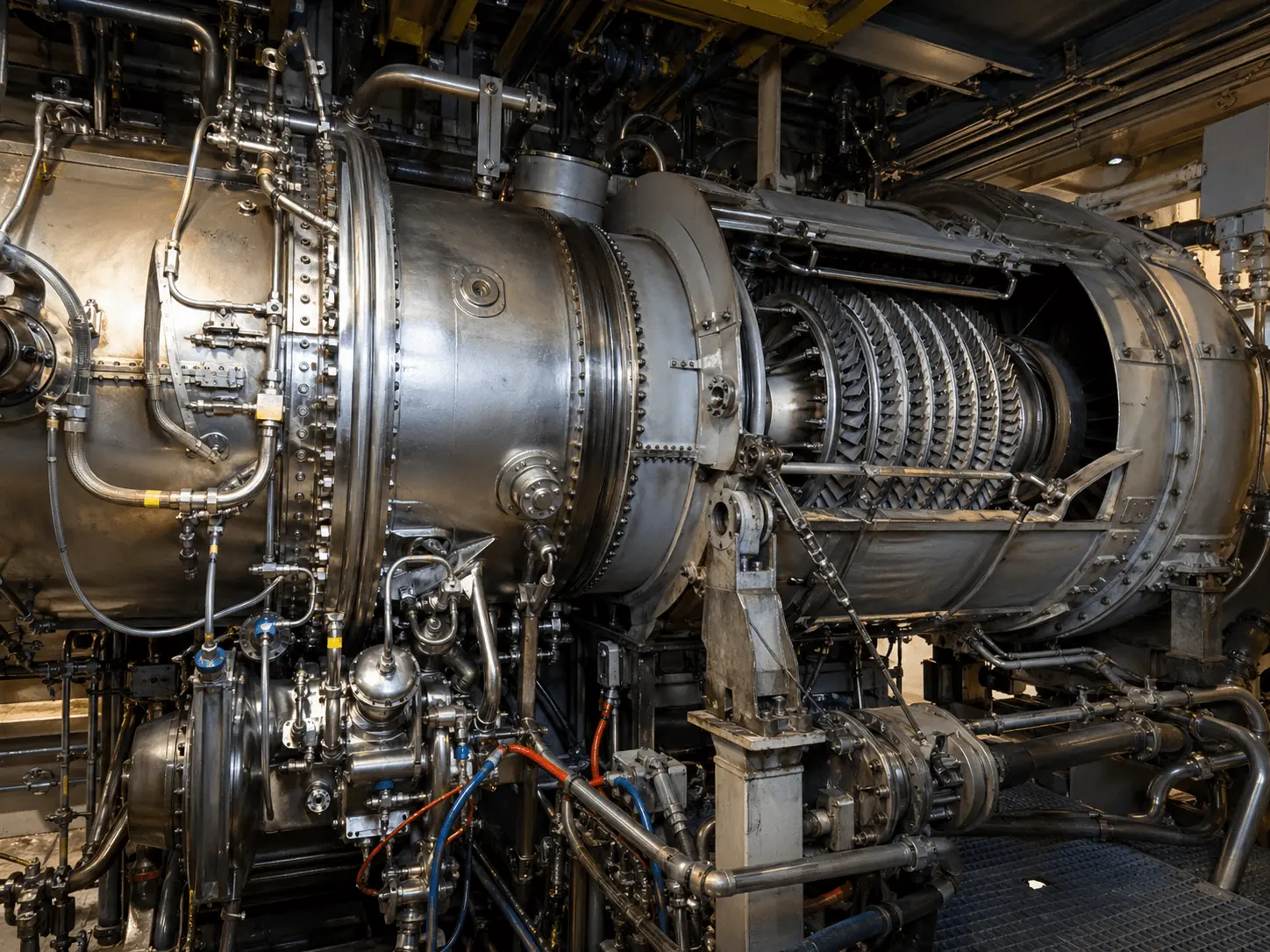
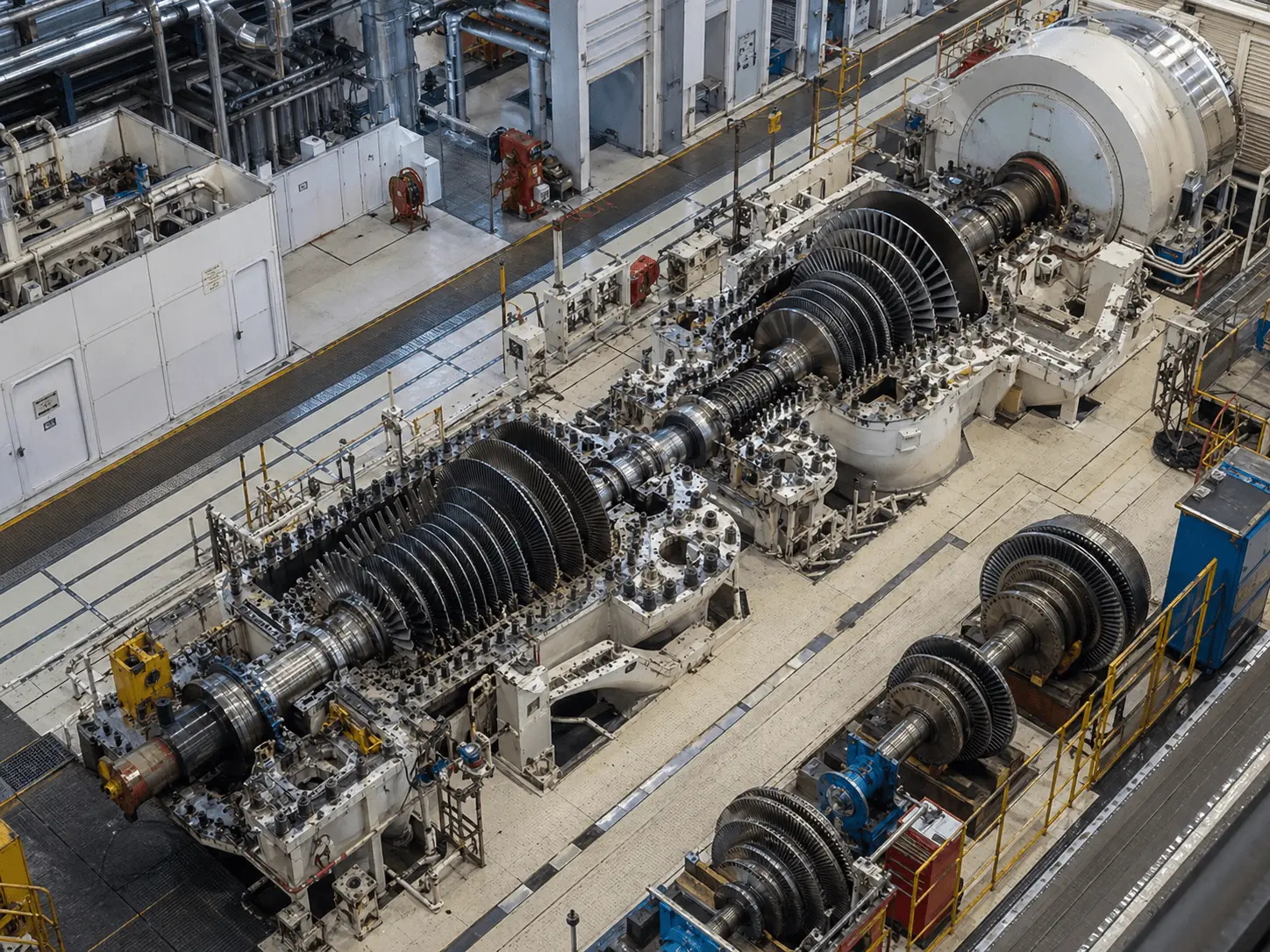
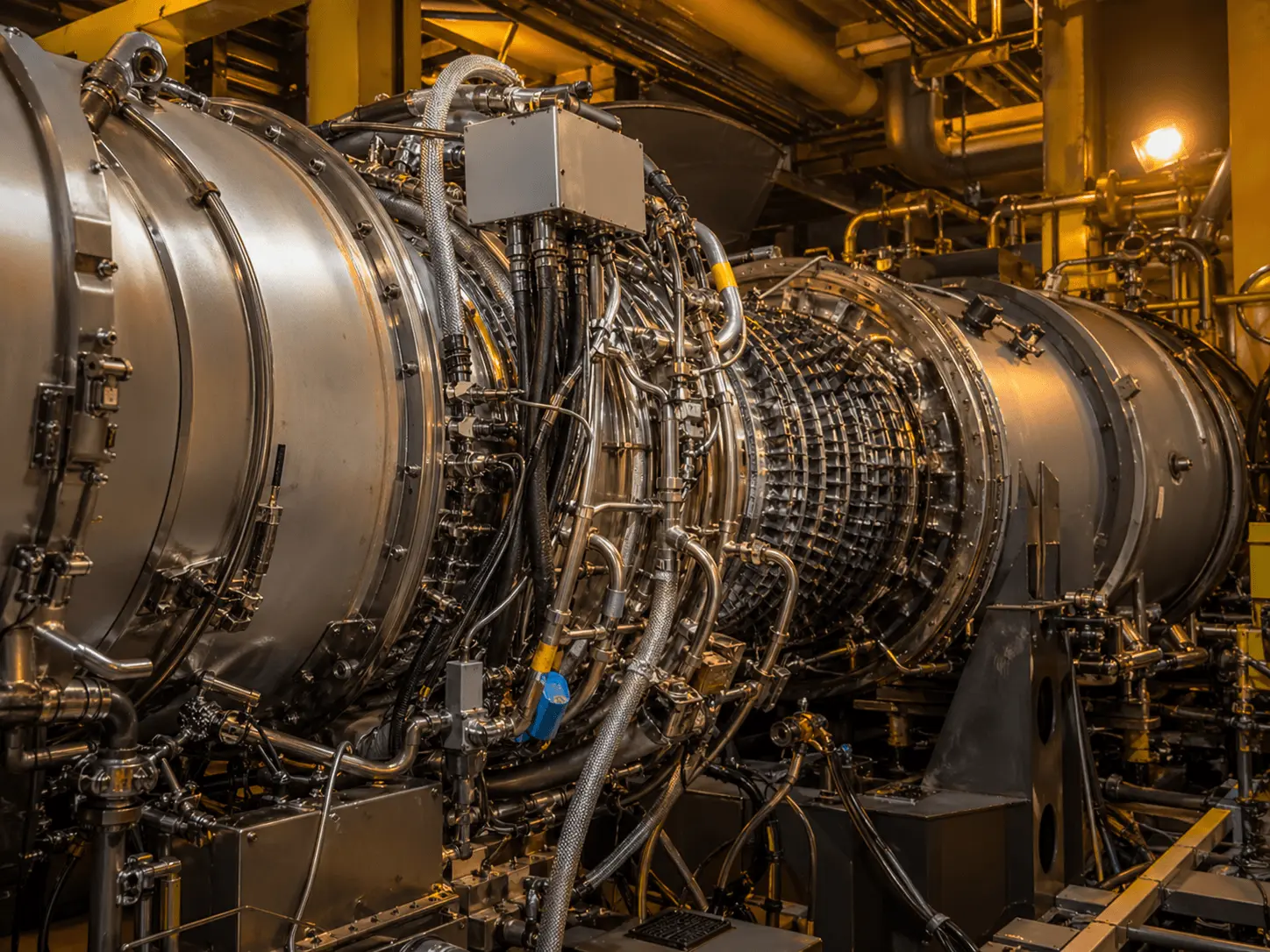
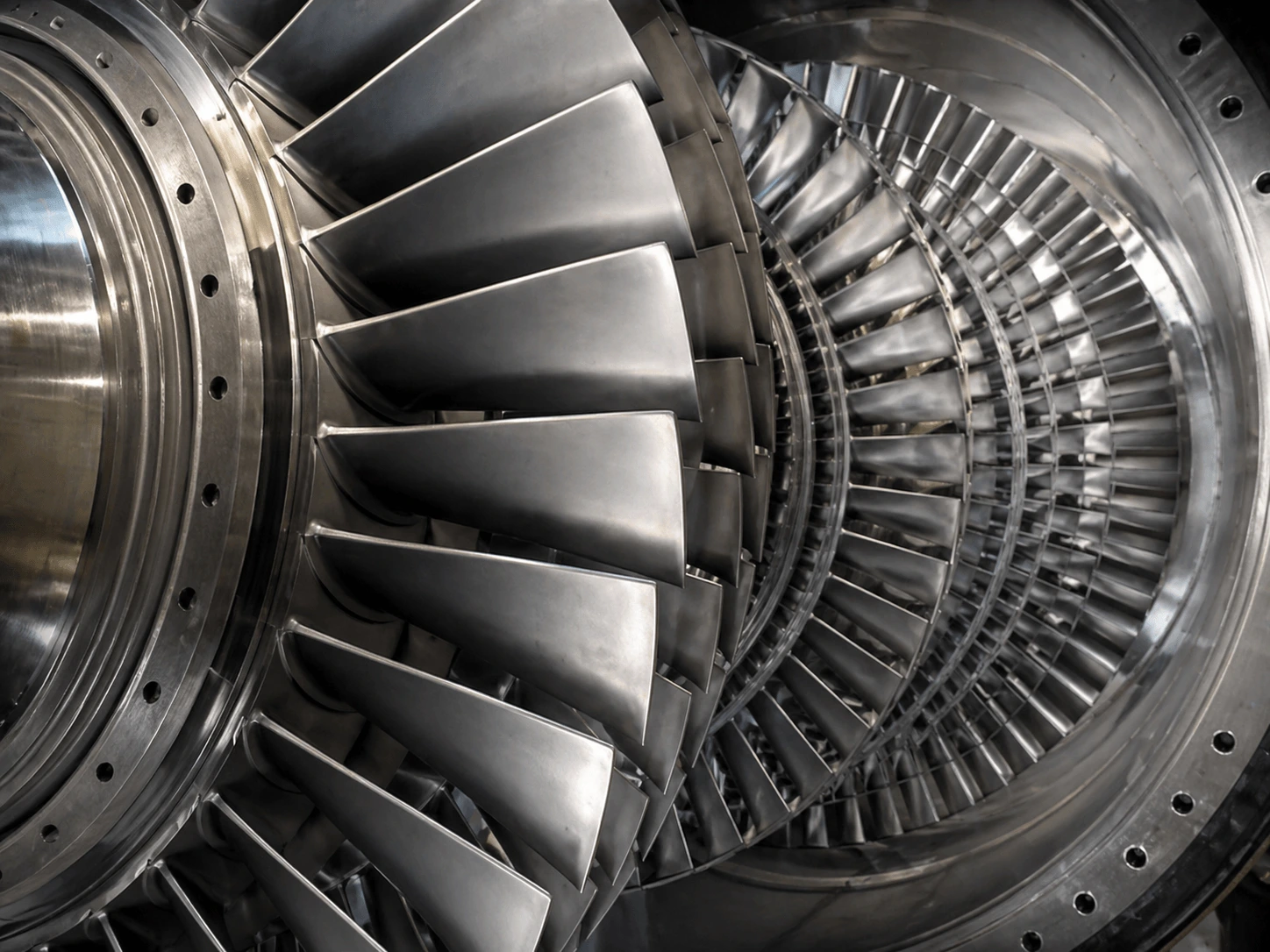
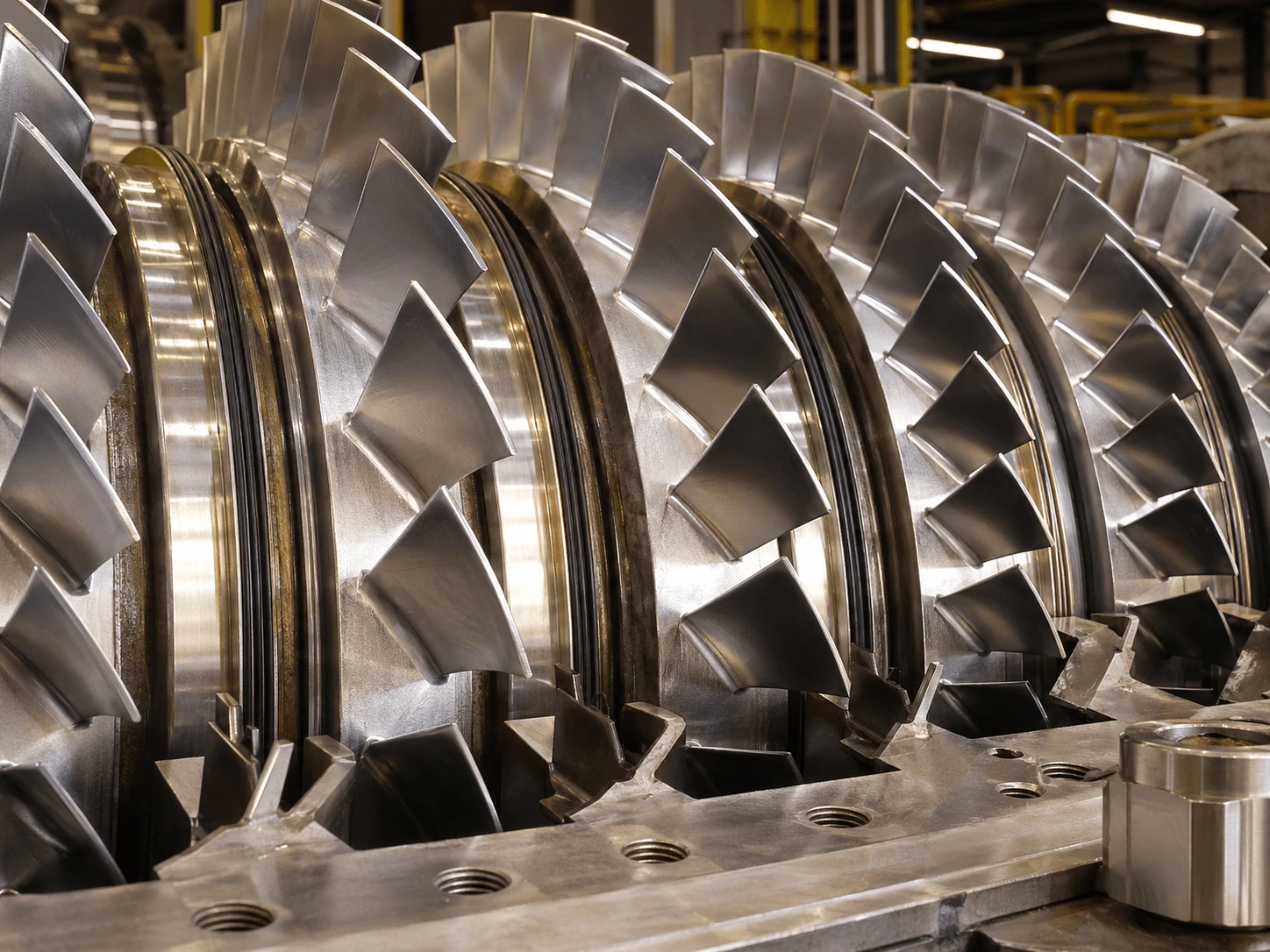
Our Revolutionary Manufacturing Process

Digital Design and Engineering Optimization
Our engineers optimize your CAD models for ceramic shell production — eliminating separate core tooling by integrating all internal features into a single monolithic structure. Three foundational outcomes drive this phase:
Every design review is completed before a single gram of ceramic is printed.

LAMP™ Ceramic 3D Printing Production
Our proprietary LAMP™ process prints fully integrated ceramic shells — with internal cores, cooling passages, and film cooling holes — in a single operation at 15-micron resolution, with no assembly, no tooling, and no wax patterns required. Three performance capabilities set LAMP™ apart:
No other ceramic printing process matches this combination of resolution, surface quality, and production throughput.

Thermal Processing and Metal Casting
Sintered ceramic shells are cast via DirectPour™ — at our Atlanta, GA facility or delivered ready-to-pour to customer foundries — with strict thermal gradient control for single-crystal and DS microstructures. Three quality assurance commitments back every casting:
All castings meet production investment casting standards before leaving our facility.
Why Choose Rapid Precision Castings?
Proven Government and Industry Validation
With $8+ million in federal funding — including a $3.3M ARPA-E award with GE Vernova and $1.8M through America Makes IMPACT — our technology is validated at the highest levels of government and industry compliance:
Decade-Long GE Partnership Excellence
Our 10+ year collaboration with GE Vernova validates LAMP™ ceramic 3D printing across joint ARPA-E execution, casting qualification for GE’s power business, and ongoing advanced gas turbine development. Three dimensions confirm our manufacturing capability:
Revolutionary Technology Leadership
With 26+ patents across six countries, our Digital Foundry™ delivers three proprietary technologies unavailable through any conventional foundry or competing additive process:
Get Started with Advanced Gas Turbine Parts Manufacturing Today
Ready to transform your turbine component manufacturing with technology that eliminates tooling, reduces costs by 50%, and delivers first parts in as little as 10 days? Our engineering team provides comprehensive support from initial design review through final component delivery:
Frequently Asked Questions
The main parts of a gas turbine include the compressor section (blades and vanes), the combustion chamber (liners and transition pieces), and the turbine section (blades, vanes, shrouds, and nozzle guide vanes). Hot-section components are the most demanding from a materials and manufacturing perspective.
The four main types of gas turbines are aeroderivative gas turbines (adapted from aircraft engines), industrial heavy-duty gas turbines (designed specifically for power generation), micro gas turbines (small-scale distributed power), and gas turbines for mechanical drive applications (powering compressors and pumps in oil and gas).
Rapid Precision Castings manufactures industrial gas turbine components from Atlanta, GA, serving power generation facilities, MRO operations, and turbine service companies nationwide. RPC offers both new component casting through DirectPour™ and SLE™ additive repair for existing components.
RPC's SLE™ (Selective Laser Enhancement) technology uses precision additive restoration to repair turbine blades made from non-weldable nickel superalloys like CMSX-4 and René N5. Traditional welding disrupts the crystal structure of these alloys, making conventional repair impossible. SLE™ deposits compatible material without causing the recrystallization and cracking that traditional welding produces.
A single turbine blade failure can cause millions of dollars in unplanned downtime at a power generation facility. OEM replacement parts often have 6–12 month lead times. RPC's DirectPour™ process delivers replacement castings in as little as 10 days, and SLE™ repair can restore damaged components even faster — dramatically reducing outage duration.
Yes. LAMP™ technology produces ceramic shells with fully integrated cores for complex internal cooling passages, including serpentine channels, film cooling holes, and trailing edge slots. RPC has demonstrated production of industrial gas turbine blades in DS René 141 with single-crystal capability and cast-in cooling features.
DDM Systems (the parent company behind Rapid Precision Castings) has maintained a decade-long collaboration with GE, including a $3.3 million ARPA-E OPEN 2021 award with GE Vernova for "Manufacturing High-Yield Investment Castings with Minimal Energy." This project validated energy savings of up to 90% compared to conventional processes.
Yes. RPC's tooling-free DirectPour™ process is ideal for manufacturing replacement components for legacy and discontinued turbine models where original tooling no longer exists. Parts can be reproduced from existing drawings, 3D scans, or reverse-engineered digital models, eliminating the need to maintain expensive tooling inventories.
RPC uses both air-melt and vacuum-melt investment casting processes for turbine components. For hot-section parts requiring nickel superalloys, vacuum-melt casting is standard to prevent oxidation of reactive alloy elements. RPC supports equiaxed, directionally solidified (DS), and single-crystal (SX) casting processes — covering the full spectrum of turbine component requirements.
Ceramic 3D printing produces molds with geometric precision that eliminates the dimensional variability inherent in traditional shell building. Each printed shell is an exact replica of the digital design — there are no variations from hand-dipped coatings or wax injection tolerances. This consistency translates to tighter dimensional control on finished castings and reduced scrap rates.
Technical Evidence and Primary Sources
These records support the technology and research statements on this page. Government project records describe scope, participants and targets; they do not by themselves establish completion of every target.