Drone Casting Services |
Precision UAV & Unmanned Aerial Vehicle Components
Precision drone components delivered in days — not months — with zero tooling investment.
We produce high-performance UAV and unmanned aerial vehicle parts using our patented LAMP™ ceramic 3D printing technology — delivering first parts in as little as 10 days at 50% lower cost, with no dies, patterns, or tooling required.
Benefits of Rapid Precision Castings for Drone Components
Zero Tooling Investment for American-Made Drones
Traditional drone manufacturing requires significant upfront tooling costs before a single part is produced. LAMP™ eliminates that barrier:
10x Faster Production for Drone Technology Programs
Legacy manufacturing processes demand months for tooling design and qualification — time that rapidly evolving drone technology cannot afford. Our Digital Foundry™ delivers parts in as little as 10 days:
Complex Geometries for Next-Generation Unmanned Systems
Modern drone applications require intricate internal geometries that traditional methods cannot achieve cost-effectively. LAMP™ integrates complex internal passages, lightweight structures, and aerodynamic features directly into single castings:
Industry Applications
Structural Airframe and Propulsion Components
LAMP™ technology excels at producing structural drone parts that balance strength with weight optimization — including airframe elements, motor housings, mounting brackets, and propulsion support structures requiring precise dimensional control. Lightweight yet durable materials enhance key performance metrics such as flight time, payload flexibility, and stability. Complex internal geometries reduce weight while maintaining structural integrity, critical for long-range UAVs and heavy payload operations.
Sensor Housings and Functional Enclosures
Precision drone applications benefit directly from our casting capabilities — including sensor housings, thermal cameras, gimbals, camera mounts, protective enclosures, and aerodynamic fairings. Rapid tooling-free production allows iterative designs for small consumer drones, commercial drones, or specialized government programs. NDAA-compliant drones are achievable with fully domestic, ITAR-controlled supply chains.
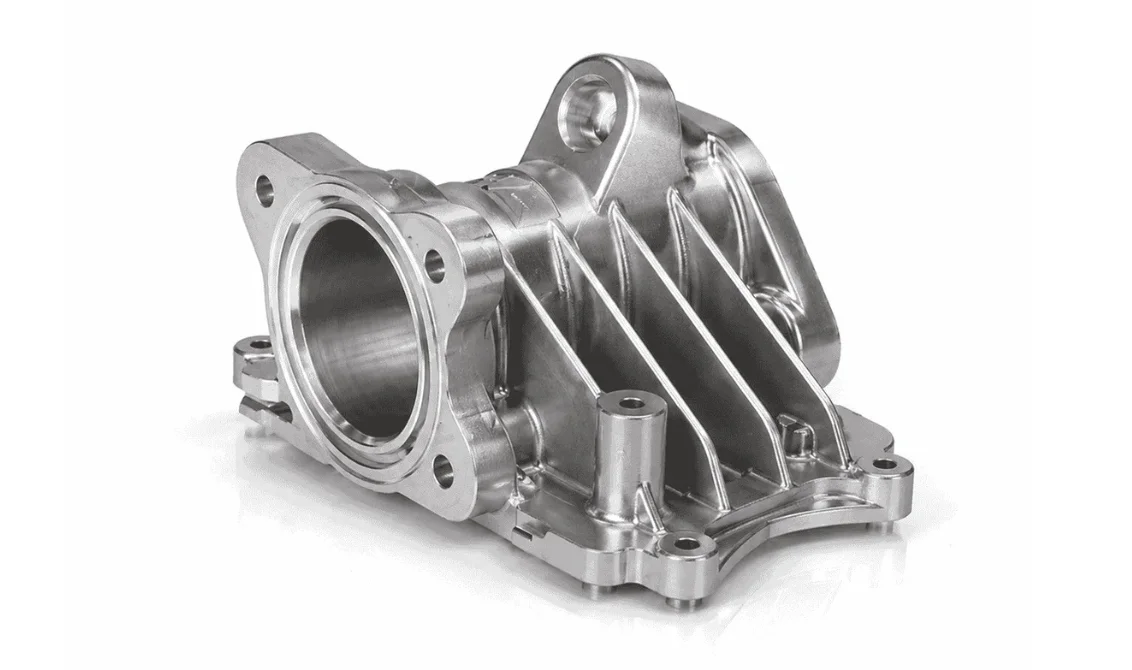
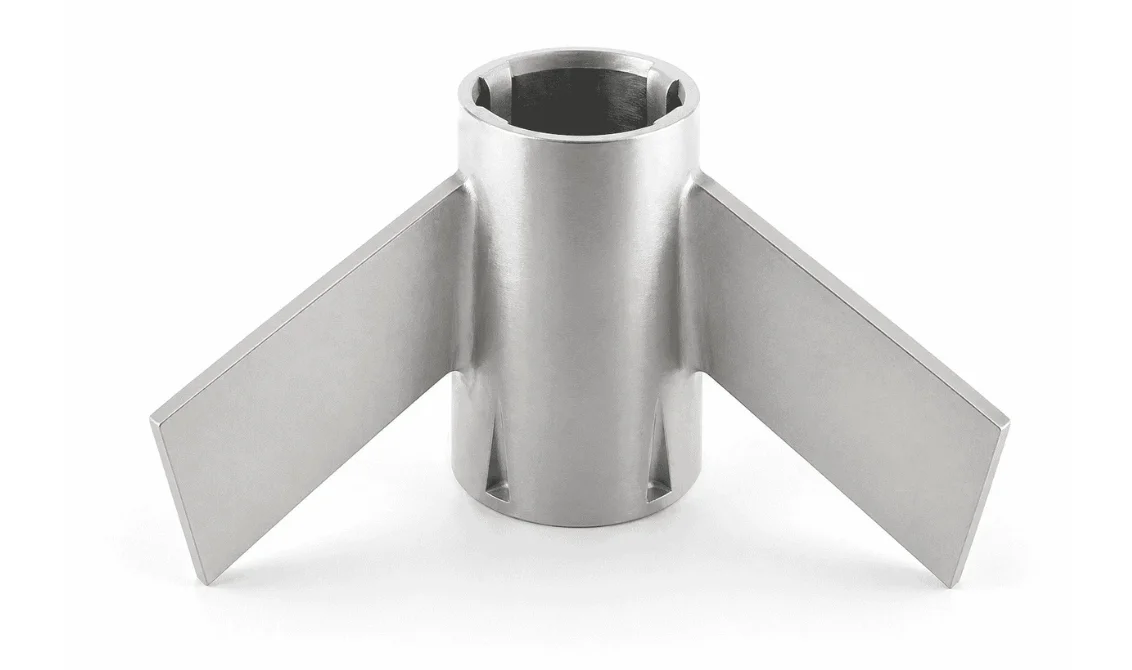
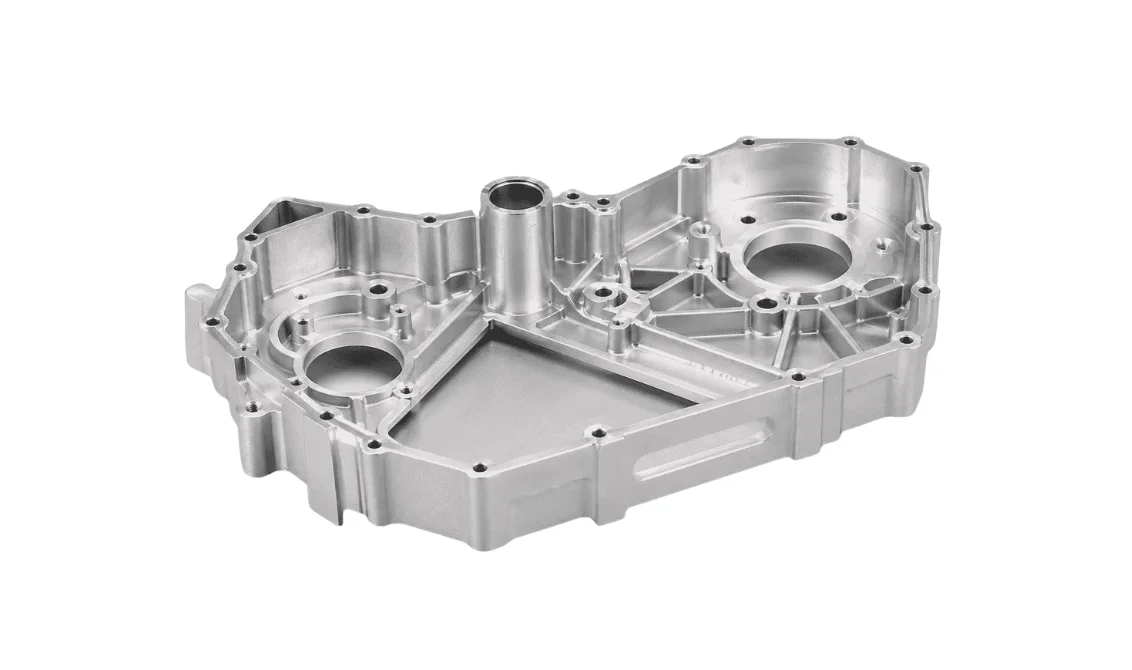
Drone Applications Gallery
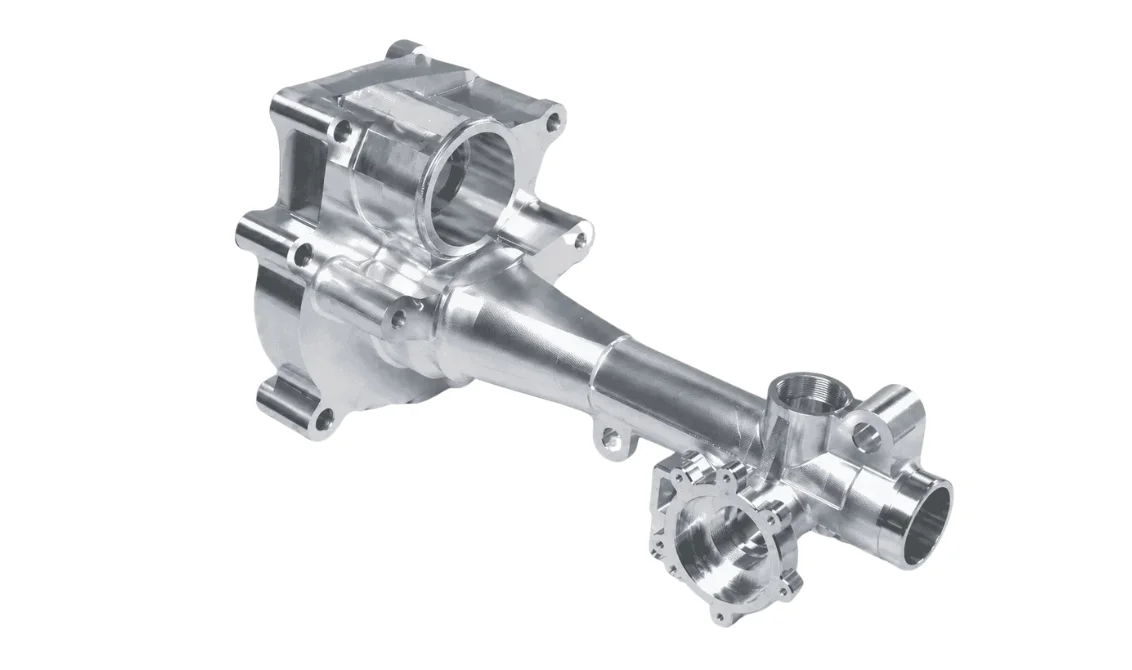
Defense Drone Programs Served
Our credentialed manufacturing capabilities support government and defense drone programs requiring domestic, NDAA-compliant components:
DoD unmanned aerial vehicle program components requiring NDAA compliance.
Defense contractor drone hardware supporting national security and airspace security.
Military UAV sustainment castings delivered rapidly without traditional tooling lead times.
Government agency drone programs with Build America, Buy America Act compliance.
Our Drone Component Manufacturing Process

Digital Model Analysis and Optimization
Every casting starts with a fully optimized digital model — whether from CAD files, 2D drawings, 3D scans, or physical prototypes. All features are integrated into a single printable ceramic shell:

LAMP™ Ceramic Shell 3D Printing
Our proprietary Large Area Maskless Photopolymerization process prints ceramic investment casting shells directly from your digital file — no wax patterns or core assembly:

Precision Metal Casting and Delivery
Printed ceramic shells are thermally processed and sintered to over 99.5% density before pouring. We cast a full range of drone-grade metals:
Why Choose Rapid Precision Castings for Drone Manufacturing?
Proven Defense and Aerospace Credentials
Our facility has extensive experience producing high-precision drone components for defense and commercial applications.
Technology Leadership and Government Validation
Our LAMP™ ceramic 3D printing innovation is validated by government-funded programs and protected by multiple patents.
Complete Domestic Supply Chain for NDAA Compliance
End-to-end domestic sourcing maintains NDAA and ITAR compliance for all drone programs.
Our Drone Manufacturing Services
Our drone casting services support customers across major drone hubs throughout the United States:
Southeast Region: Georgia, Florida, Alabama, Tennessee, South Carolina, North Carolina
Defense Corridors: Washington DC Metro Area, Virginia, Maryland, Colorado Springs
Aerospace Hubs: California, Texas, Washington State, Ohio, Connecticut
Technology Centers: Michigan, Illinois, Pennsylvania, New York, Massachusetts
Military Installations: Supporting all major Air Force, Navy, and Army facilities nationwide
Contact Us Today
Eliminate tooling costs, compress lead times, and produce precision drone components with the most advanced casting technology in the United States.
Frequently Asked Questions About Drone Casting
A drone casting component is a precision-manufactured metal part produced through investment casting for use in unmanned aerial vehicles (UAVs). These include motor housings, structural airframe fittings, gimbal mounts, propulsion hardware, sensor enclosures, and heat dissipation components.
The most critical drone casting components are motor housings and propulsion hardware (requiring tight concentricity and thermal management), structural nodes and airframe connectors (requiring strength-to-weight optimization), and payload mounting systems (requiring precision alignment and vibration damping characteristics).
NDAA compliance for drone components requires sourcing from approved domestic manufacturers. Rapid Precision Castings operates a fully U.S.-based manufacturing facility in Atlanta, GA, providing a domestic supply chain that supports NDAA Section 848 compliance for government and defense drone programs.
Rapid Precision Castings offers drone casting services from its Atlanta, GA facility. RPC's DirectPour™ process is ideally suited to the drone industry's need for lightweight aluminum castings, rapid design iteration, small production runs, and NDAA-compliant domestic manufacturing.
RPC primarily casts drone components in aluminum alloys A356 and A357, which provide the optimal balance of low weight, high strength, and excellent castability. For components requiring higher temperature or corrosion resistance, stainless steel and specialty alloys are also available.
Drone development moves at startup speed — DirectPour™ matches that pace. Design iterations are produced in 10 days with no tooling investment between versions. This enables hardware teams to test, learn, and iterate at the same cadence as software development, without being bottlenecked by traditional casting lead times.
Yes. LAMP™ technology produces complex internal cooling channels and heat dissipation features directly in the casting, eliminating the need for secondary machining or multi-part assemblies. This is critical for drone motor housings and electronics enclosures that must manage heat within strict weight constraints.
RPC serves all quantities from single-unit prototypes to production runs of hundreds of units. Because DirectPour™ eliminates tooling, the per-part cost is consistent across all volumes. This is especially valuable for drone companies scaling from prototype through initial production without committing to injection molding tooling.
Cast aluminum achieves near-net-shape geometry with internal features that CNC machining cannot produce (closed channels, undercuts, lattice structures). Weight savings of 20–40% are achievable because casting allows topology-optimized designs without the geometric constraints of subtractive manufacturing.
Yes. RPC's fully domestic manufacturing facility supports NDAA compliance, ITAR requirements, and other government procurement regulations. The company produces precision castings for both commercial and military drone programs, with the rapid turnaround and small-batch capability that defense UAV development demands.